
Everything is Uglier
It’s a hard fact to deny that in today’s society we have really optimized everything. From how we spend our free time to how we design our homes or businesses. Most things we have in our homes have a purpose and help our busy lives become more efficient. (Note, I didn’t say better.)
Over the past decades, we have not only wanted to get more done faster, we applaud and appreciate the quickness of how average things are done. It really has touched every aspect of our lives.
While we are improving how much we can do in a day (which has its own problems) it takes the ordinary beauty away from our lives. I feel that this ordinary beauty that we are missing takes away the raw appreciation for little moments of pleasure.
We have been accustomed to successes and achievements being more vital to our existence then taking the beauty of every day. We gloss over the fact that even the smallest details do deserve beauty. The consequence of this choice is that we rush through our day trying to accomplish our to-do list instead of feeding our soul and stopping to see what other talented people have created from nothing.
However, the result is that we feel lost more than ever before.
Our lives are so busy with events, meetings, running errands that we often skip meals, rush through our time when we are spending with loved ones, and instead of truly relaxing, if we don’t have an app to tell us how to relax and for how long, it seems like a waste of time. We can’t even relax right.
When we talk about food or different diets – we might too fixated on the nutritional value or counting calories. Our phones tell us if we drank enough water, how we should optimize our eating to improve our output.
Some of us don’t even eat at dining room tables anymore because we think of eating as just as after thought, something we have to do.
We are living big lives – but are we really living?
Minimalism isn’t the Answer
It seems like the answer to everyone who feels stressed or overstimulated is to remove everything from their surroundings.
Remove distractions.
Take away anything that could interfere with getting things done.
Make everything as empty and clutter free as possible.
While I do understand how removing some extras in your life that could make you feel stressed, like a pile of papers on your desk, can help you breathe a little easier, people take it a step further and take everything off the desk.
The belief is, with less distractions or objects in your view, it will help you concentrate and get more done.
Again, I speak from experience because I found myself getting really stressed out with everything I needed to do. It can be challenging to do it all. Especially when us as women, put so much on our plates.
I was interested in minimalism. There were so many people in ths niche clearly thriving – they had to be onto something…
Looking to the Internet for Answers
But, like all people who need help with their lives, I turned to the internet – first was YouTube. I saw many videos of how some minimalists sold all their possessions and just kept only the essentials. Or everything-I-own-can-fit-into-my-car kind of ideals. It was almost like something to brag about. People started to romanticize this lifestyle in every aspects of life. From their homes, cars, wardrobe, and just about anything they see.
I knew that there was something missing, but I couldn’t quite put my finger on it.
The buildings that are all being built are straight clean lines, with no extra fuss. Kitchens are created for the sole purpose of looking sterile clean and meal prepping. Living rooms are becoming increasingly cold, less about feeling cozy and more about perfect accent pillows and textures. Bedrooms are being optimized for sleep rather then being a romantic and quiet refuge from our busy lives.
Our food and diet has also been a victim of this lifestyle because we are more and more eating for pure energy and sustenance rather than pleasure. Morning shed and routines has become a time of trying to optimize your beauty and age in reverse – again, removing the pleasure of waking up and treating yourself to a little love without the pressure of changing oneself.
Everything has been taken to extremes.
This extreme has created so much unneccesary stress. Mostly because the results are unattainable and the upkeep is exhausting.
So, once the minimalism burnout happens, what’s next?
After Minimalism came Overconsumption
With some people, we have the minimalism lifestyle that showcases how taking everything out and living on just essentials is better – then we have some people who value the overconsumption of things. People are still wanting more.
Clearly, something is missing in today’s world and my take on it?
We have removed the appreciation of ordinary beauty.
Overconsumption leads to excess and then the excess leads to overwhelm, stress and feelings of inadequacy. Most likely, you feel you are lacking something so you buy all the products that promise you change and difference. But when they don’t work as you thought, you feel lost and maybe hopeless. This despair will make you search for answers.
What is usually the answer?
Minimalism.
If your problems stem from too many things – then surely what will fix your problems is to get rid of everything.
And sure, the same endorphin rush you get from buying something new, you will also get when you make your space cleaner and empty.
But as we know with any addict, that euphoric feeling never lasts long.
My thoughts to this never ending cycle is that we find most things dispensible. Why? Because there is nothing special about them. Some ornaments or cheap trinkets from a dollar store, to most people, can be thrown in the garbage without a second thought.
Same goes with our clothing (think: fast fashion).
Then I really thought about it. And it came to me.
Beauty in the Ordinary
If you have seen an old sweater that had buttons, even the buttons had details on them that were ornate.
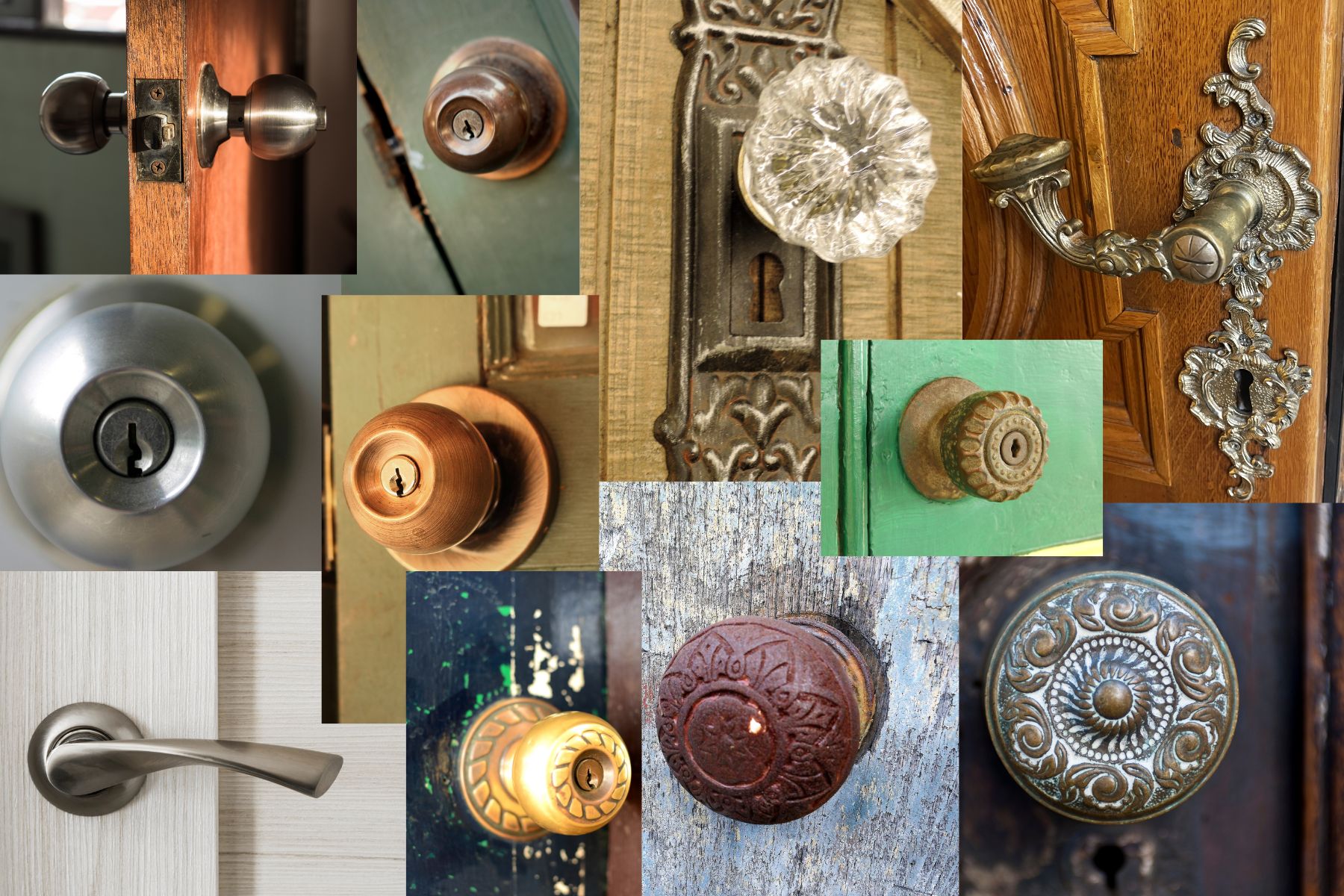
Same goes for knobs on cupboards or door handles.
Things that are seen as useful parts that need to be there, were not just placed there without a second thought.
No.
They made them beautiful.
When people were just going about their day – they came into contact with beautiful things. It was appreciated. It was normal.
Think about sitting down to a meal that has real china plates with artistic designs on them and cloth napkins and real silverware? Will you rush just to get finished? Probably not.
Would you hunch over your computer while snacking from a bone china bowl? No you wouldn’t.
What about writing a note with a ball point plastic pen or a metal fountain pen – which one would you put more thought into?
If you were going to a building where every detail, every piece was put there with thought and consideration, would you wear sweats and frumpy clothes? No. Probably not.
The beauty of simple things is what makes life elegant and important.
We need to start being more awae of this.
Regardless of the “importance” of the object – there was thought and love poured into it.
What I want you to do is to see that ordinary things can and shoud be beautiful.
Life will start to change.
Your every day might be the same but it won’t feel the same.
Productivity does not Equal a Well Lived Life
The answer is not to buy everything new again or just throw your hands up in the air because we live in a culture that renovates the old to modern and new – but to add it.
Add the ornate.
Include the beauty of ordinary objects.
Don’t overlook something just because it is useful – but rather it is an opportunity to make your world magical.
When we make mundane things special – then ordinary life becomes extraordinary.
You will slowly find yourself craving more things with character. Today’s clothing or decor is rather lifeless and has no personality. You will want to make everything you do something special because we only have this life and it makes more sense to spend it with pleasure.
Maybe the secret isn’t to cram your day full of goals and achievements – but to spend every moment appreciating life. One way they did it in the past was through the pride they put into everything they did.
Slow down, don’t fall into the hustle culture or the efficient trap – things take time for a reason.
Good morning, Jennifer.
These days, the word “new” often feels synonymous with “unpleasant.”
Modern buildings and houses resemble “shoeboxes.” Contemporary paintings remind me of preschool drawings. Women’s shoes have become more masculine, and clothes are often meant to be disposable after a single wash—I even discovered some are intentionally designed for one-time use. Kitchens seem to prioritise aesthetics over functionality in a world where people increasingly rely on their phones to choose their meals.
I do not see this style as Hospitable.
I appreciate the vintage way of living. I started reading books that were written for housewives in the 1940s and 1950s. Tips on keeping the house clean – especially for working women; the best way to do it, laundry and ironing, and other useful tips. Since I started reading these books, i have been able to complete all these chores before starting work, and I feel a greater sense of accomplishment in my home. I have time cooking from scratch every single meal.
I redecorated my whole home. I painted the walls and applied some wall moulding. Changed the upholstery of my coach, chairs and stools, and the curtains and pillows.
I could have written this comment! You couldn’t be more right when it comes to the “throw away” culture that we have become. While in some cases it is good, I will admit that its drawbacks is that we don’t appreciate quality. But the vintage lifestyle or just how they lived their typical day is so interesting, I find myself drawn to the simplicity of it.
Your house sounds so beautiful with lots of character! I love it!